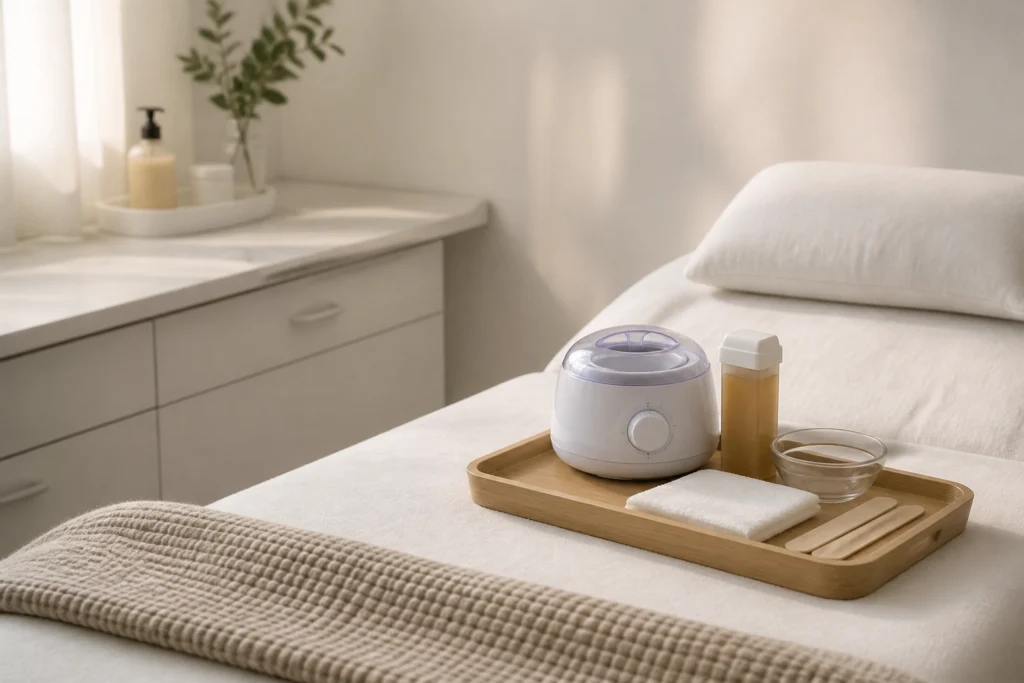
You’ve typed “waxing near me” into the search bar more times than you’d like to admit, only to close the tab before booking. It’s not the wax you’re worried about. It’s the not knowing. What happens first? Do you keep your clothes on? How long does it actually take? That uncertainty is the real reason a first appointment gets pushed to “next week” over and over. Here’s the good news: a first wax is a predictable sequence, and once you see it laid out, the mystery disappears. In this post, we’ll walk through the entire arc of a first appointment, minute by minute. You’ll learn why verifying a studio is licensed in New Hampshire matters before you book, what happens during the consultation and patch test, how cleansing and prep work, and how the waxing itself unfolds section by section, including plain-language sensation notes for legs, underarms, brows and the bikini area. We’ll finish with the soothing step, the 24 to 48 hour aftercare window, and when to rebook. By the end, you’ll know exactly what you’re walking into.
Why Not Knowing the Sequence Is What Delays Booking
A wax appointment follows a predictable arc: consultation, patch test, cleanse, section-by-section hair removal, soothing, then aftercare. Once you can picture the arc, there is very little left to guess at.
It is easy to keep searching phrases like waxing salon or waxing near me, then book the closest result without knowing what the first ten minutes involve. Naming each phase in advance turns a vague fear into a schedule, and a schedule is something you can prepare for, question, or pause at any point.
The sequence in this walkthrough matches the arc of a standard studio appointment, so you can map it onto the waxing services in Dover you book.
Before You Book: Verifying a Waxing Studio Is Licensed in New Hampshire
Knowing the sequence raises the next question: who guides you through it. The NH Board of Barbering, Cosmetology and Esthetics says its mission is protecting public health, safety and welfare by regulating estheticians, and it licenses individuals and businesses. Governing law: RSA 313-A; administrative rules: CHAPTER Bar 100 through 700. New Hampshire law puts esthetics, including removing superfluous hair, under that licensed framework, which covers the person waxing you and not just the storefront. Use the Board’s License Lookup to confirm that a credential is active and in good standing. If your search lands on an unfamiliar name, the lookup and the knowledge that a complaint process exists let you decide with information, not a map pin. Asking before booking is normal: “Is the esthetician who will wax me licensed, and how long have they been waxing?” A studio that answers easily is one that treats your questions as welcome. The same questions to ask before booking a corrective facial apply here.
Minute 0 to 5: Consultation and Intake, Fully Clothed
The appointment begins with you fully dressed. The early minutes are conversation, not treatment. Expect short intake covering medications, hormonal changes, and past reactions to wax or adhesives. Your esthetician may also ask about sun exposure, active breakouts, and skin conditions. Harley Shayna Skin specializes in corrective skin care for acne, rosacea, eczema, fine lines, and hyperpigmentation, so these questions are routine, not interruption. Say if it’s your first wax, you’re nervous, and you want narration. Say if you want a slower pace or a specific area left for last. Confirm scope: full or lower leg, brow cleanup or full wax, bikini line or extended. Scope shapes how long you are in the room. Before starting, ask what the studio applies after waxing, recommends for two days, and whether a patch test is included. If curious about other treatments, ask how services like dermaplaning and microdermabrasion compare while discussing skin goals.
The Patch Test: What It Is and Why It Comes First
Once you’ve asked whether a patch test is part of today’s visit, here is what it involves. A patch test puts a small amount of wax, and sometimes a post-wax product, on a discreet spot of skin. You see how that skin responds before more skin is involved. Report anything that does not fade or that itches, swells, or burns. Timing varies from studio to studio, so ask when you book. It matters most with sensitive skin, prescription treatments, past reactions to wax or adhesives, or a first visit to a studio. If you’re unsure whether your skin is reactive or rosacea-prone, this guide to telling rosacea from sensitive skin can help. A patch test is a precaution, not a guarantee, so treat it as a question to ask rather than a step to assume. Treat it as a question to ask, not a step to assume.
Minute 5 to 10: Cleansing and Prep
Once the patch test is done, the esthetician cleanses the treatment area, removing deodorant, lotion, sunscreen, and natural oils. Wax needs a clean surface to grip.
Clean skin is also a chance to check texture, irritation, freshly shaved patches, moles, and broken skin, and to work around them.
Hair length matters, and longer hair may get trimmed first. That is routine, not a comment on you.
A light pre-wax powder or oil often goes on next so wax sticks to hair rather than skin, which is why some clients say it hurt less than expected.
You undress only for the area being waxed, and you get a drape. Ask for what you need: a private minute to change, a second towel, or a warmer room. Want a sense of the studio’s approach before you arrive? That is fair to check, and the drape and comfort are things you can ask about in advance.
Minute 10 to 30: The Waxing Itself, Section by Section
Waxing starts in sections, not one big sweep. Hair grows in different directions, and skin handles short bursts better than a long pull. Your esthetician is pacing for your skin, not speed.
Each pass follows the same rhythm: wax goes on in the direction of hair growth, a strip is pressed or hard wax sets, skin is held taut, then removed quickly against the growth. Removal is quick rather than a slow peel, and holding skin firm limits pull on surrounding skin and takes the edge off.
Expect resets between areas: wiping residue, checking the result, letting skin settle. Say pause whenever you want one. Breaks are built in, not a favor.
Sensation tends to be sharp and brief, a quick sting then warmth. The first strip is usually the most startling; the rest feel easier because you know what is coming. Strip count and timing vary by area and hair density. If you are treating acne or pigmentation, honest membership math is useful.
Legs, Underarms and Brows: Sensation in Plain Language
Sensation depends on the area, not your toughness, and skin can respond differently in each one. Legs are a large, flat surface, so they tend to move fast with a warm, tingly finish. Underarms grow in several directions, which means more small passes. Brows are usually mapped out first, then shaped outside the brow line with tweezers for strays. Lip and face work is brief and intense, with redness that usually fades quickly. Tell your esthetician about any breakout, healing scrape, or recent sunburn before wax starts; working around a spot is routine. If you plan to keep a regular waxing rhythm, membership options in Dover can help you stay on schedule.
The Bikini Area on a First Visit
After the quicker passes on legs, underarms, and brows, the bikini area asks for a different kind of attention. The bikini area tends to be more sensitive than the skin elsewhere, so the patch test, the drape, and saying pause matter most. Scope is a conversation, not a default, so confirm what you booked. Expect to reposition your legs and hips, a drape that stays put, and small sections worked one at a time, often with skin held taut. Booking a first bikini wax on its own is one way to see how your skin responds. If you are on your period, ask the studio’s preference ahead of time, and a fresh tampon or cup keeps things simple. If body breakouts are also on your mind, this read on how extractions help acne separates clearing congestion from preventing new spots.
The Last Five Minutes: Soothing and the Finish
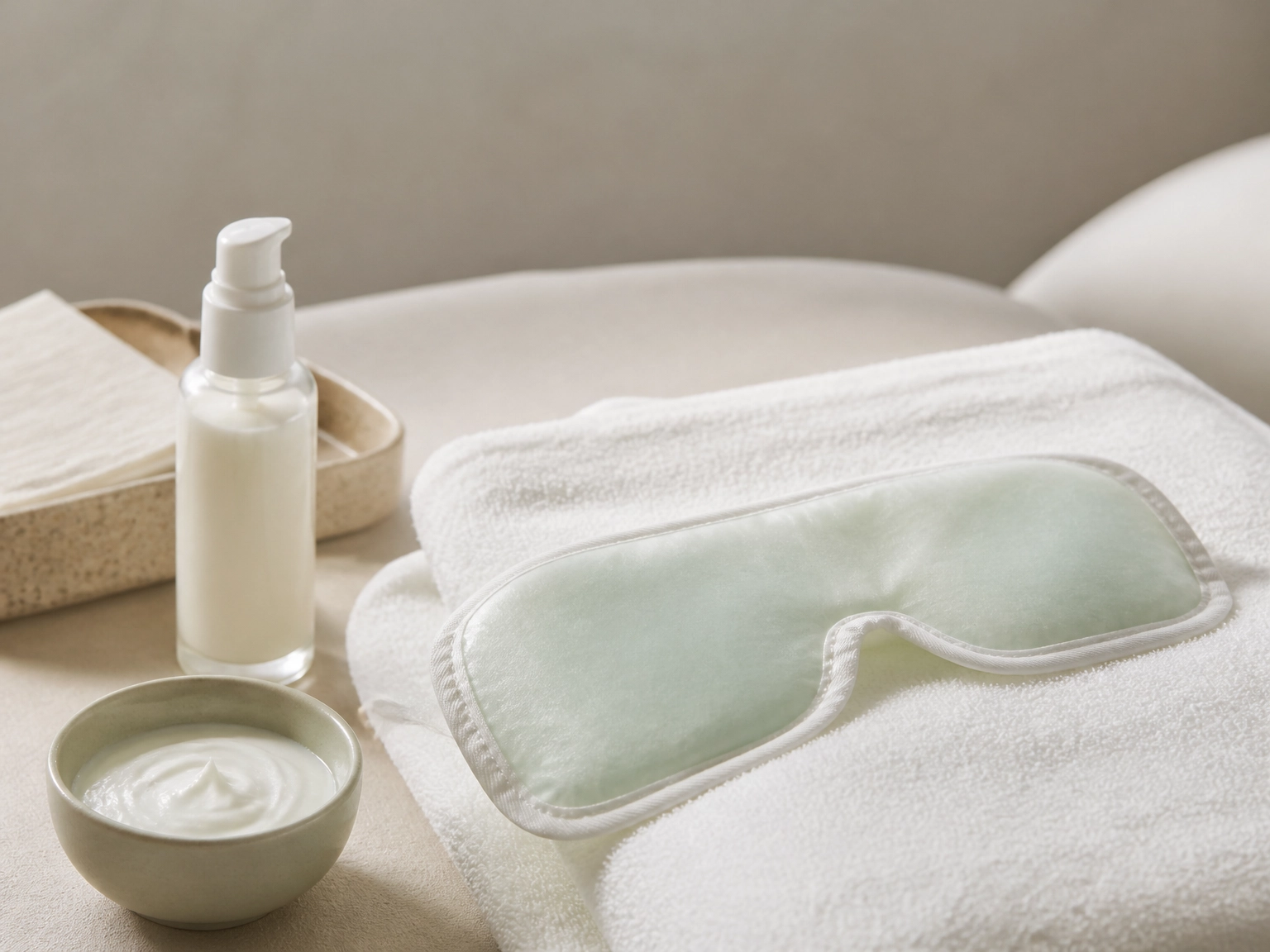
The finish is quieter than you might expect. Once the last strip is done, your esthetician applies a soothing product and often adds a cool compress or light pressure to calm the skin. Some redness, small bumps, and tenderness right after are normal, and skin needs a few hours to settle.
That day, skip fragrance, retinoids, acids, and scrubs on the area. Whatever your esthetician applies is the routine for the next 24 hours. If you want to know what to use at home, ask while you are still on the table. Harley Shayna Skin carries Epicutis skincare, so it is a fair question to raise in the room.
Before you leave, ask for the aftercare instructions in writing. Following a list beats remembering a verbal run-through in the parking lot. This is also the natural moment to book your next appointment or ask when they would recommend you return.
The 24 to 48 Hour Aftercare Window
Once you leave the studio, the clock starts on the part most people underestimate. For the first day or two, freshly waxed skin is reactive, so set aside anything that adds heat, friction, or bacteria.
Heat is the big one. Skip hot showers, saunas, steam rooms, hot tubs, and hard workouts. Heat plus sweat and friction is how bumps and ingrown hairs begin, so plan hard workouts for another day. It is the friction and damp clothing you are avoiding more than the movement itself.
No exfoliation of any kind for now. That means no scrubs, loofahs, exfoliating mitts, or acid body products, even if you normally exfoliate to prevent ingrowns. Gentle is the entire instruction.
Skip tanning beds and unprotected sun on waxed skin, and avoid tight leggings, jeans, or underwire sitting directly over the area. Loose cotton and fragrance-free lotion are the safe defaults.
Some redness and small bumps in the first day are expected. Contact the studio if you notice spreading redness, warmth, swelling, oozing, or pain that gets worse instead of better.
When to Rebook and What Changes on Visit Two
Once the aftercare window passes, gentle exfoliation and moisturizing can help prevent ingrown hairs, and it is worth confirming the right rebooking interval for your area and hair type at the desk.
Consistency makes waxing predictable: same esthetician, same interval, same aftercare. It also makes skin changes easier to notice. Between appointments, jot down anything new, like a prescription change or extra sun exposure, and mention it at check-in.
Your First Wax, Start to Finish
That predictability starts with your first visit. A first wax is a sequence, not a surprise: consultation, patch test, cleanse, section-by-section waxing with built-in breaks, soothing, then a 24 to 48 hour window where heat, gym time, and exfoliation wait. Before you book, verify the studio and the esthetician through the NH OPLC License Lookup, and know that a complaint process exists. Ask three questions when you reach out: is the person waxing me licensed, can I have a patch test, and what do you recommend for the first 48 hours? In the room, say the nerves out loud. “First time” and “tell me what you are doing next” are complete sentences, and estheticians hear them every week. Book the follow-up before you leave, three to five weeks out, and take the aftercare list with you.
Conclusion
A first wax is easier when you know the sequence. You are not walking into a surprise. You are following a plan.